
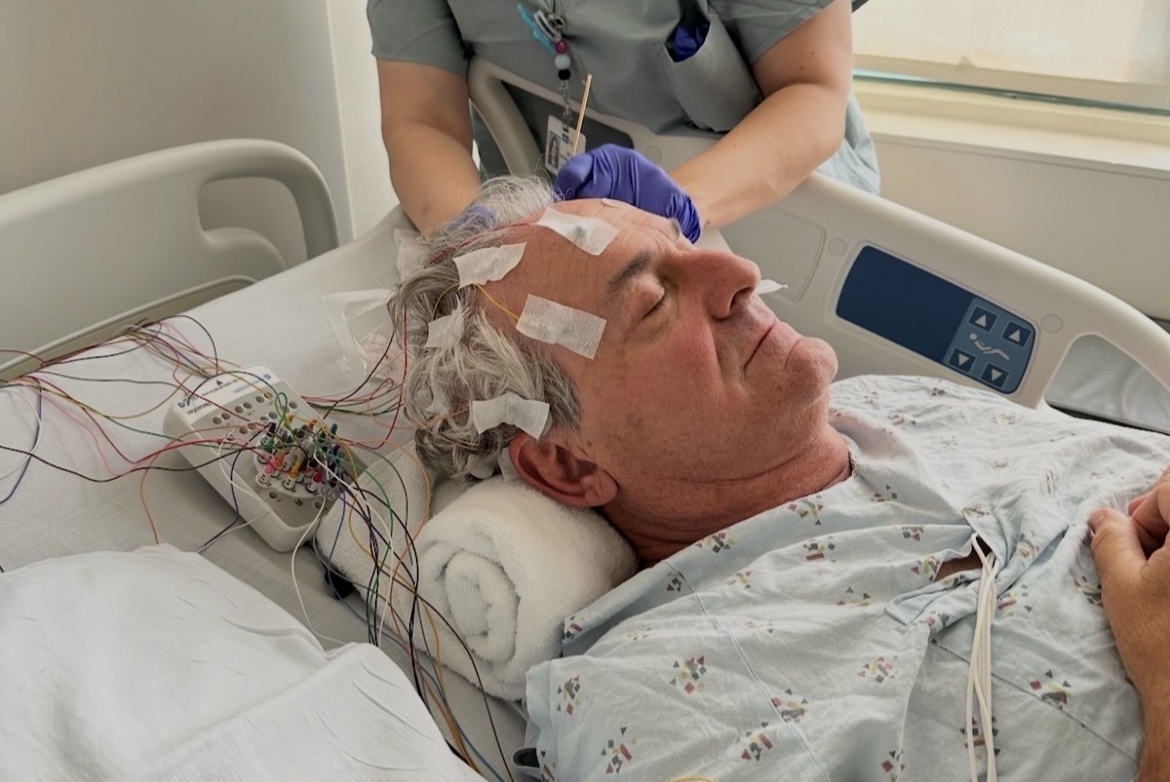
Paul Vercammen credits the Red Cross with notifying him within days of a blood draw that he had a case of West Nile virus, which he linked to mosquito bites he’d gotten while at a driving range in Van Nuys a few days before. “I’m starting to walk longer. I’m doing fine,” the veteran journalist said in a telephone call on Tuesday, in a desire to spread the word that mosquitoes were nothing to mess around with this year.
Currently communications director for ShelterBox U.S.A., which has offices in Santa Barbara, Vercammen is a longtime journalist who has worked for KEYT and CNN — at one time covering viral outbreaks deep in Mexico and returning unscathed. But in early September, he began to suffer violent headaches, got dizzy, and fell, and, most alarming perhaps, he couldn’t talk.
“I’m a lifetime communicator,” Vercammen said, “but I was answering questions about my pain level, and instead of ‘10 out of 10,’ I was ad-libbing; words like ‘Gmail, Instagram’ were coming out. I could feel myself trying to get the words out, but they weren’t coming together.”
West Nile virus often goes undetected, causing few if any symptoms, but a small percentage of cases can develop life-threatening neurological conditions such as meningitis and encephalopathy. Vercammen’s doctors at UCLA’s Santa Monica Medical Center determined he suffered from both, which were causing inflammation of the tissues surrounding his brain, and aphasia, which was affecting his speech.
Cases of West Nile are on the increase in Los Angeles, the county’s public health department reported, with 216 human infections and 10 deaths this year, “the highest count in nearly a decade,” Kerri Murray, ShelterBox’s president, wrote in a press release.
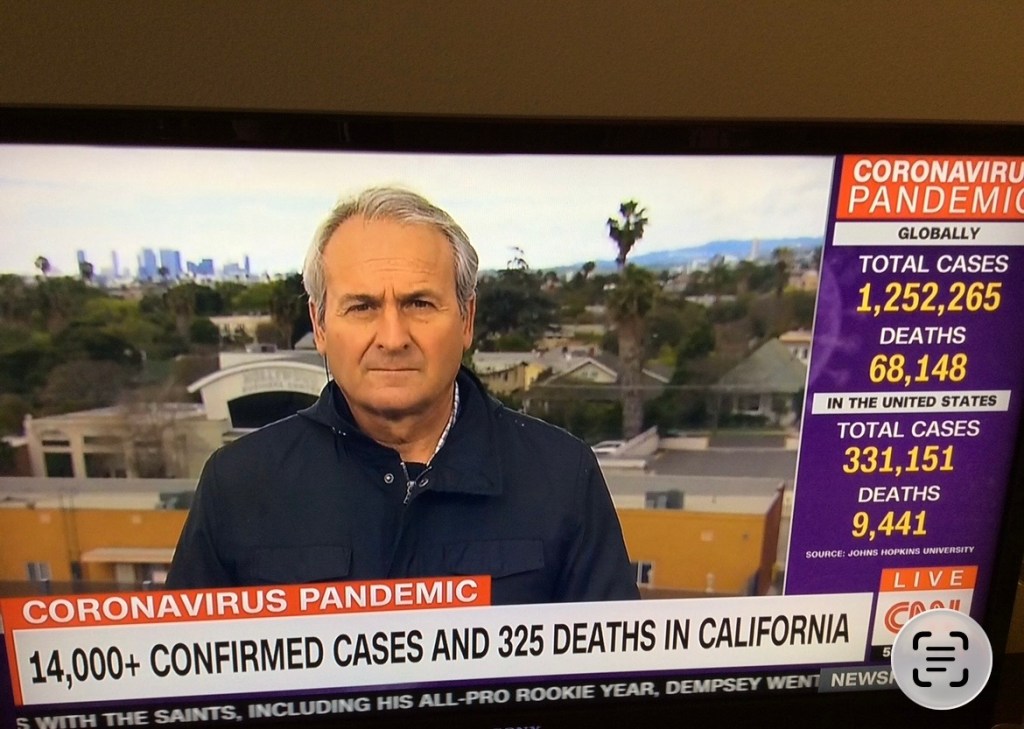
In Santa Barbara, the county’s Vector Management scientists trap mosquitoes regularly, sending them and swabs from dead birds to UC Davis for analysis. West Nile virus hasn’t been detected locally, said Brian Cabrera, who heads Mosquito & Vector Management. Nor have St. Louis encephalitis or western equine encephalitis viruses. However, one Aedes aegypti mosquito — one adult and six larvae, Cabrera said — have been found in Carpinteria since July. These can carry dengue, Chikungunya, and Zika viruses, though the diseases are not known to be circulating in Santa Barbara, he said. Also, one Australian backyard mosquito (Aedes notoscriptus) was found on the Westside, which can carry canine heartworm, though this one did not.
Vercammen has a rare blood type that finds him giving blood at the Red Cross regularly. But not everyone might get that conclusive warning, he said. “We’ve had a strange, humid, hot summer, and when it comes to mosquitoes, any little dog dish of water could be a breeding ground. I probably got it goofing around at the golf course in the evening, but think of going to the Hollywood Bowl for a concert or to Dodger Stadium,” he warned.
To prevent mosquito bites, put on bug spray, he said. “And wear long pants, long socks — not half socks — and be extremely mindful of standing water.”
Vercammen said he’s on the mend after five days in the hospital — and wanted to talk about ShelterBox, whose disaster simulation he’d missed in Oregon while he was ill.
“People ask me what they can do to help ShelterBox,” Vercammen said, which provides emergency shelters and supplies during disasters around the world. “The amazing thing is, someone who gives $25, they just bought three really durable and effective mosquito nets.”
Related Posts


Premier Events

Sat, Oct 17
9:00 AM
Santa Barbara
Mesa Harmony Garden Fall Plant Sale Continues…
Fri, Oct 23
2:00 PM
Santa Barbara
Music & Meditation: Clarinetist Nancy Mathison & Pianist Antonio Artese
Sat, Oct 24
9:00 AM
Santa Barbara
Mesa Harmony Garden Fall Plant Sale Continues…
Sun, Oct 18
9:00 AM
Santa Barbara
“Move with MADD” Santa Barbara 3K Community Walk & Fundraiser to Prevents Impaired Driving
Sun, Oct 18
11:00 AM
Santa Barbara
17th Annual Asian American Neighborhood Festival
Sun, Oct 18
1:00 PM
Santa Barbara
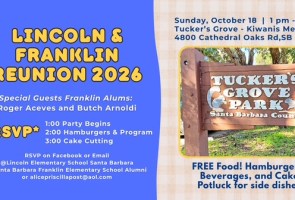
Lincoln Elementary School 150th All Year Reunion

Sun, Oct 18
3:00 PM
Santa Barbara
Seaworthy Author Talk -Will Sofrin
Sun, Oct 18
3:00 PM
Goleta
Free Concert Offers Journey Through Italian Music

Mon, Oct 19
7:00 PM
Santa Barbara
PFLAG Santa Barbara October Meeting: “Schools and Inclusive Practices – What creates a safe and inclusive school?”
Tue, Oct 20
7:00 PM
Santa Barbara
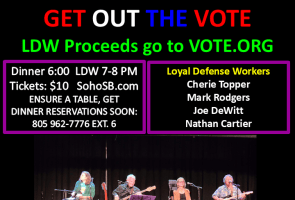
Get Out the Vote Night @ SOHO, Music Performance by Loyal Defense Workers

Wed, Oct 21
6:30 PM
Santa Barbara
Teflon Comedy/Non-Schtick – Evening of Comedy

Thu, Oct 22
5:30 PM
Santa Barbara
Best Fest: A Celebration of the Best of Santa Barbara® Readers’ Poll 2026
Sat, Oct 17 9:00 AM
Santa Barbara
Mesa Harmony Garden Fall Plant Sale Continues…
Fri, Oct 23 2:00 PM
Santa Barbara
Music & Meditation: Clarinetist Nancy Mathison & Pianist Antonio Artese
Sat, Oct 24 9:00 AM
Santa Barbara
Mesa Harmony Garden Fall Plant Sale Continues…
Sun, Oct 18 9:00 AM
Santa Barbara
“Move with MADD” Santa Barbara 3K Community Walk & Fundraiser to Prevents Impaired Driving
Sun, Oct 18 11:00 AM
Santa Barbara
17th Annual Asian American Neighborhood Festival
Sun, Oct 18 1:00 PM
Santa Barbara
Lincoln Elementary School 150th All Year Reunion
Sun, Oct 18 3:00 PM
Santa Barbara
Seaworthy Author Talk -Will Sofrin
Sun, Oct 18 3:00 PM
Goleta
Free Concert Offers Journey Through Italian Music
Mon, Oct 19 7:00 PM
Santa Barbara
PFLAG Santa Barbara October Meeting: “Schools and Inclusive Practices – What creates a safe and inclusive school?”
Tue, Oct 20 7:00 PM
Santa Barbara
Get Out the Vote Night @ SOHO, Music Performance by Loyal Defense Workers
Wed, Oct 21 6:30 PM
Santa Barbara
Teflon Comedy/Non-Schtick – Evening of Comedy
Thu, Oct 22 5:30 PM
Santa Barbara


You must be logged in to post a comment.