

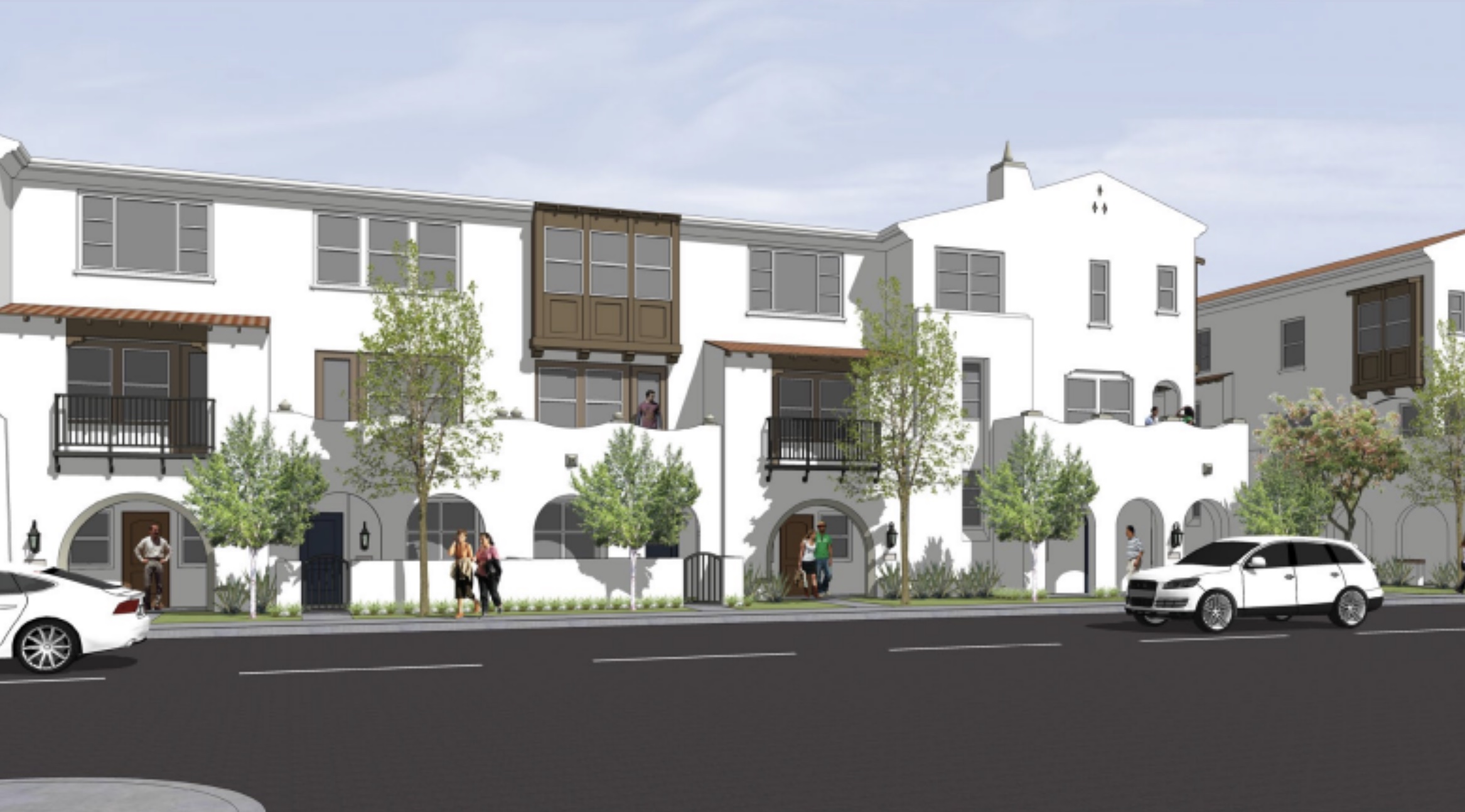
One reason that housing prices are so high in our region is that UCSB has not fulfilled its plans to develop more than 1,800 units of faculty and staff housing, while delaying for a decade the promised dorms to house 5,000 additional students on campus. The delay was due to the mistaken hope that billionaire Charley Munger’s dream of building the biggest student dormitory in world history would do that job.
When around 2010, UCSB announced a plan to add 5,000 students by 2025 (and, necessarily, faculty and staff would have to grow as well), the campus produced a draft Long Range Development Plan (LRDP) describing the manifold ways it would mitigate the impacts of that growth on the wider region.
Not surprisingly, a group of local organizations formed the Sustainable University Now (SUN) coalition, raising a number of concerns about the draft LRDP. After negotiations with UCSB, a legally binding agreement between SUN and UCSB was signed (I was one of the signers). SUN endorsed UCSB’s enrollment growth based on the benefits to the community such as sustainability measures and housing — goals approved by the California Coastal Commission and by the UC Regents.
I think UCSB has made considerable progress toward sustainability, but the housing goals, that were central to community acceptance of enrollment growth, remain unrealized.
Reluctantly SUN is now suing UC under the California Public Records Act, but UC lawyers have stonewalled our efforts to find out why UCSB has persisted in a fruitless quest for a private developer for Ocean Road, among other issues.
The Ocean Road project was the major faculty/staff housing plan during the Yang administration. It was first announced about 15 years ago — more than 500 units of below-market owned and rental units on campus land bordering Isla Vista. For reasons not publicly known, it’s been envisioned as a partnership with a private developer, and for reasons not publicly known, efforts to create such a partnership collapsed. For reasons not publicly known, however, the search for a private partner continues (despite the fact that all previous faculty housing was developed by the campus housing authority without private partners).
We recognize the unforeseen problem of UC enrollment that grew much faster than anticipated a decade ago. The Legislature demanded more California students be admitted than planned. The LRDP for UCSB projected that 25,000 students would be enrolled by 2025. Instead, that cap was reached in 2019.
UCSB’s housing failure led to lawsuits by the county and the city of Goleta; these resulted in the commitment to get the student housing built, but only a vague commitment to employee housing development. The failure to develop Ocean Road and to implement the larger goal of 1,800-plus units has been shrouded in bewildering secrecy.
The appointment of a new chancellor provides an opportunity for a new start. When Chancellor Yang stopped the Munger project, the pre-Munger plan for student housing was revived and revised, though when it will be ready for occupancy isn’t yet known. (SUN also seeks records to explain why dormitory plans already in the works were put aside after Munger stepped in, what in fact Munger was offering, and why the usual faculty and student review of its housing plans have been bypassed, as well as other issues.)
Meanwhile, UC has lobbied the Legislature to get exemption from environmental review of future campus housing projects — as if such review was preventing housing from happening, Maybe that’s an issue in Santa Cruz or Berkeley. Here, the community is demanding the housing, the Coastal Commission is supporting it, yet the university isn’t responding.
Housing development faces many complexities. We’re learning almost daily that meeting the housing needs of the people of the state isn’t quick or easy. The absence of adequate public funding for affordable housing is glaring. Still, some UC campuses — Irvine and San Diego are examples — have developed far more employee housing than UCSB. New state financing for higher education campus housing is getting started (but not on a scale that would help UCSB much). One source of possible financing could come from investments by the huge pension endowment of the UC system (which already does have real estate investments but these aren’t directed toward housing needs of faculty or students).
I haven’t seen much sign that Chancellor Assanis has set a high priority on housing, even though he claims that the community-campus relationship is one of his central concerns. As convenor of SUN, I haven’t received responses to requests to meet with the chancellor about these issues. Students and other campus constituencies have offered as well to meet with the new chancellor on housing issues, without success so far.
Why there can’t be open conversation and deliberation about the housing situation as it affects UCSB I simply can’t fathom. One lesson from the Munger Hall failure is that once such open discussion took place, a viable solution emerged. That’s SUN’s goal.

