• CREATE AN ACCOUNT
  • LOG.IN
  • CONTENTS
  • CLASSIFIEDS
  • ARCHIVE
  • INFO | ADVERTISING | CONTACT US

  • Home
  • News
    • Business
    • NewsFlash
  • A&E
    • Movie Times
    • TV Listings
    • A&E Blog
    • Art Galleries
    • Best Bets
  • Opinion
    • Columns
    • Voices
    • Letters
    • In Memoriam
  • Events
    • Today
    • Search
    • Submit
    • Best Bets
  • Living
    • Travel
    • Sports
    • Peeps
  • Food & Drink
    • All Restaurants
    • Delivery
    • All Bars & Clubs
    • Drink Specials
    • Open Now
  • Outdoors
    • Outside Insider
    • Spotlight On
    • Features
  • Classifieds
    • Real Estate
    • Jobs
    • Autos
  • Personals
  • Obits

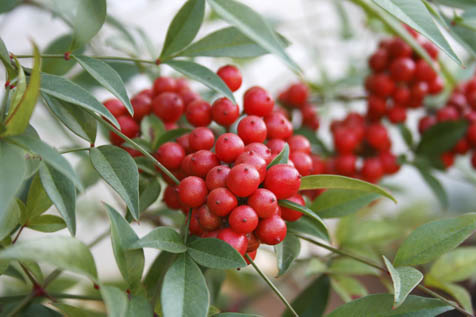
Hawthorn bush


Seasonal Changes

Red Winter Berries Replace the Hawthorn’s White Summer Flowers


Thursday, December 6, 2007
By Virginia Hayes
Article Tools
Print friendly
E-mail story
Tip Us Off
iPod friendly
Comments
Bookmark This
del.icio.us. del.icio.us.
Digg! Digg!
furl furl
google google
newsvine newsvine
reddit reddit
technorati technorati
Facebook Facebook
Yahoo! My Web 2.0 Yahoo!

In a climate zone that is conducive to growing just about anything all year ’round, it is often hard to find examples of the changing seasons. Sure there are a few deciduous trees with colorful fall foliage like ash, elm, and ginkgo, but many Southern California gardeners seem to forget the beauty that many other species reveal once they have lost their leaves. Angular branching patterns and even interesting fruits can appear at this time of the year. A seldom-planted member of the rose family, the hawthorn (Crataegus species) is in full glory right now. Actually, this shrub or small tree is quite handsome all year long. In spring, it is covered with small blossoms that give it, and one famous sailing ship, another common name, mayflower, but in fall and winter it is covered with deep red fruits that dangle like Christmas ornaments all along its branches. They look like miniature crabapples, to which they are closely related. In fruit, many birds find it a winter feast that lasts for months. The fruits are tart (you wouldn’t eat one out of hand), but they are full of vitamin C and have been harvested for jelly in times past — two other good reasons, besides their good looks, to plant a hawthorn.

Hawthorn species are native to many regions of the world. The most commonly grown here may be English hawthorn Crataegus laevigata or one of its many selections or hybrids. There are some named varieties that indicate just what color and shape their flowers will be, from pink through rosy red, and all are attractive to bees and other beneficial insects. Some hawthorns are susceptible to fire blight just like ornamental pear, but the U.S. natives, C. viridis and C. phaenopyrum, are usually less prone to this scourge. Both have white flowers in spring and nice green foliage through summer, with a brief flash of color in fall before dropping their leaves to reveal the shiny red fruits.

Hawthorns are tough. They thrive in any soil that is well-drained with little fertilizer. In fact, those grown under more lush conditions may produce water sprouts (weak shoots from low on the trunk) or excessively succulent growth that is more susceptible to blight and insect pests. Give them regular water and stand back to enjoy the show.

December Tips

•  Feed cymbidiums for flower production now. Use a formula with high phosphorus (the middle number), such as 15-30-15.

•  As deciduous trees lose their leaves, begin pruning and spraying to reduce fungal diseases like peach leaf curl or insects like scale that can overwinter on the bark.

•   Light pruning of evergreens can add holiday cheer without harming the parent plant. Don’t leave stubs; cut close to the larger branch with sharp pruning tools.

•   You can still plant winter vegetables: cabbage, chard, beets, carrots, radishes, spinach.
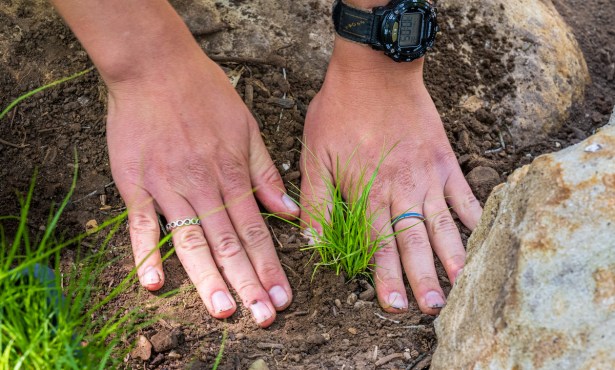
Virginia Hayes, curator of Ganna Walska Lotusland, will answer your gardening questions. Address them to Gardens, The Independent, 122 W. Figueroa St., S.B., CA 93101. Send email to vahayes@lotusland.org.

Story Help (Click-ability)
Double-clicking on any word or phrase in this story will open a reference window with definitions and links to other reference material.

Comments

Discussion Guidelines

Post a comment

Username:
Password: (Forgotten your password?)

Comment:

EVENT CALENDAR

Previous Month | Next Month

Today's Events Best Bets Submit an Event

Local Weather

Currently:
Mist
Temperature:
59.0°
Wind:
5 SSE

Surf Report
  • Specials
  • InPrint
  • Top Emails
  • Blue Green Guide 2008
  • Summer Camp Guide 2008
  • Wedding Guide 2008
  • SBIFF 2008 All Access
  • 2008 Election Info
  • Best of Reader's Poll 2007
  • Calendar of Fundraisers
  • Local Bands
  • Kid's Mother's Day Issue
  • Made in Santa Barbara
  • Zaca Fire 2007
  • UCSB Students Connect with Veterans and Others Touched by the Horrors of War
  • Cory Cordero-Rabe’s Sound Lab Brings a Community - Based Studio to S.B.
  • Goleta Tax Won’t Endanger Measure A
  • Let the Dog Days Begin
  • New Hires and New Roles at SBMA, the Arts Fund, Westmont, and UCSB
  • Brooks Institute’s Mariah Tauger Is Taking Her Camera to Beijing
  1. Early Morning Gap Fire Update
  2. Gap Fire Reaches Critical Stage
  3. Gap Fire Morning Outlook
  4. Gap Fire Intensifies
  5. Gap Fire Map Online
  6. Update From Friday Afternoon Gap Fire Press Conference
  • CREATE AN ACCOUNT
  • LOG.IN
  • CONTENTS
  • CLASSIFIEDS
  • ARCHIVE
  • INFO | ADVERTISING | CONTACT US
Google
 
Independent.com Web
Copyright ©2008 Santa Barbara Independent, Inc. Reproduction of material from any Independent.com pages without written permission is strictly prohibited. If you believe an Independent.com user or any material appearing on Independent.com is copyrighted material used without proper permission, please click here.
This is our Privacy Policy.